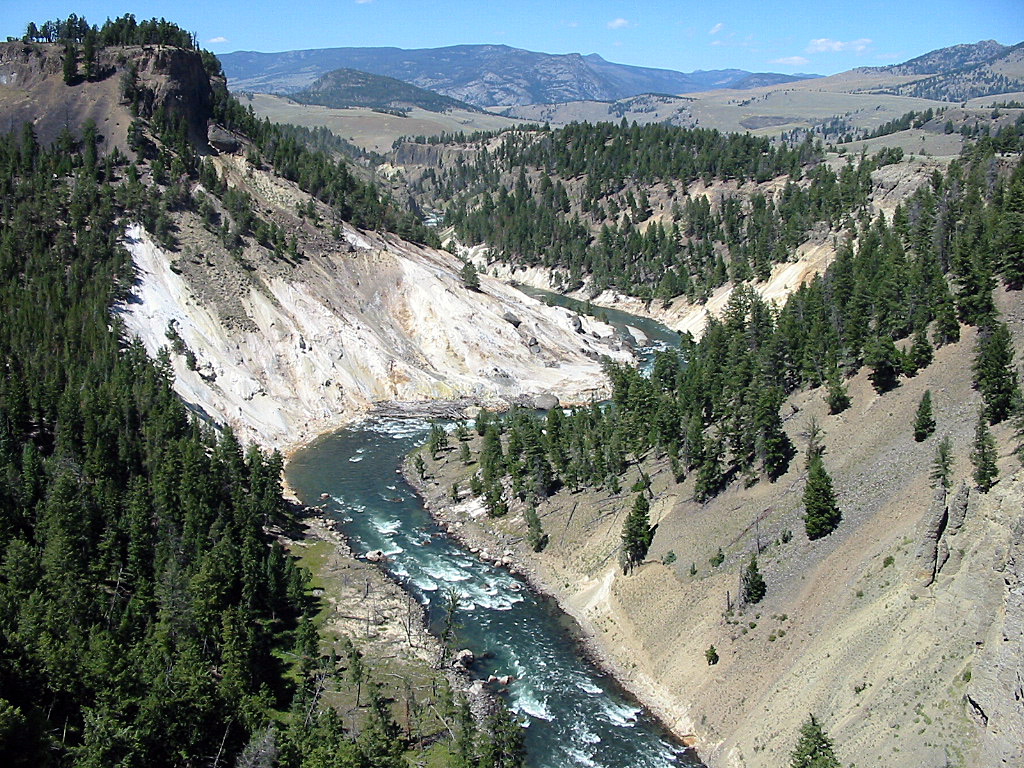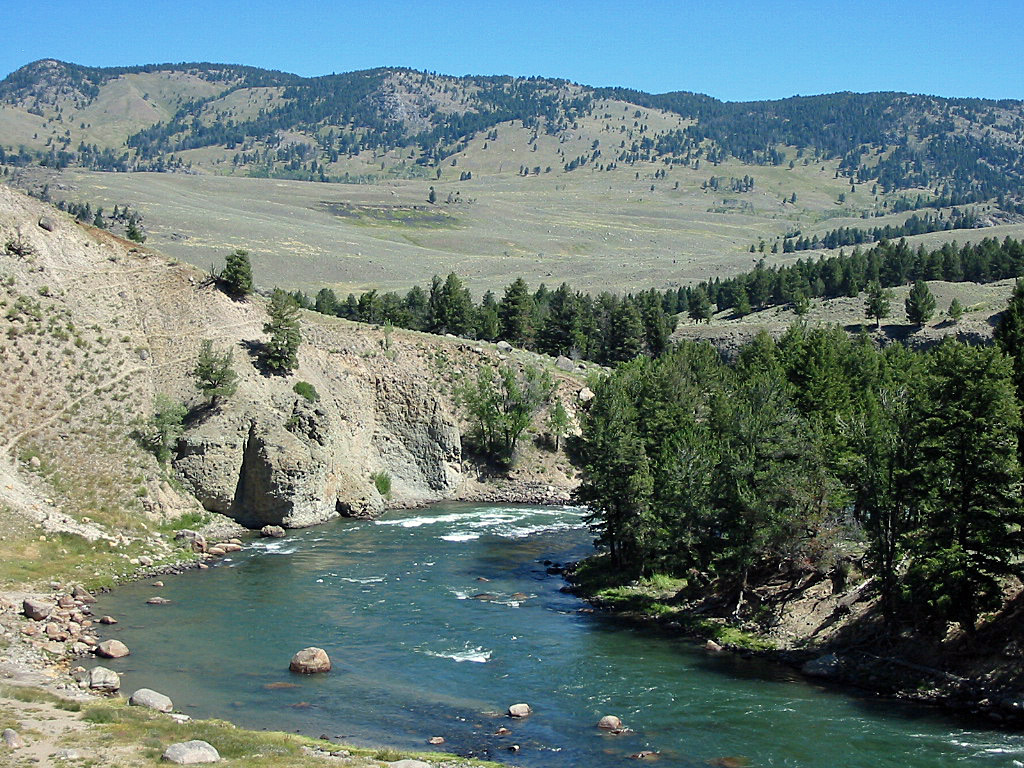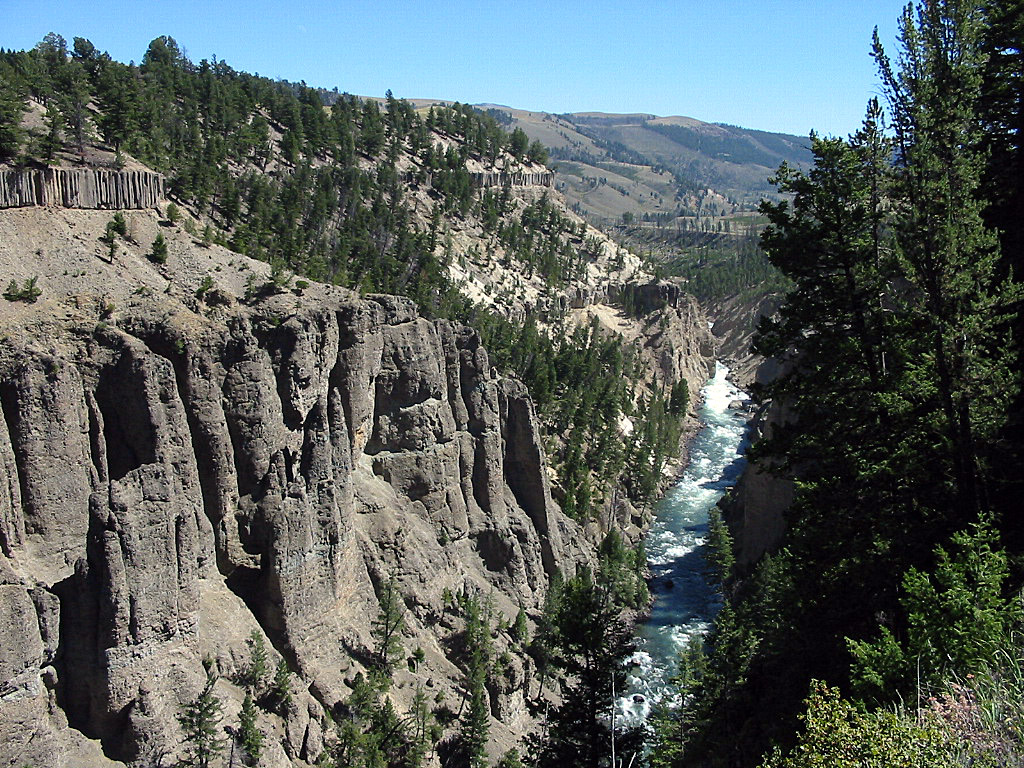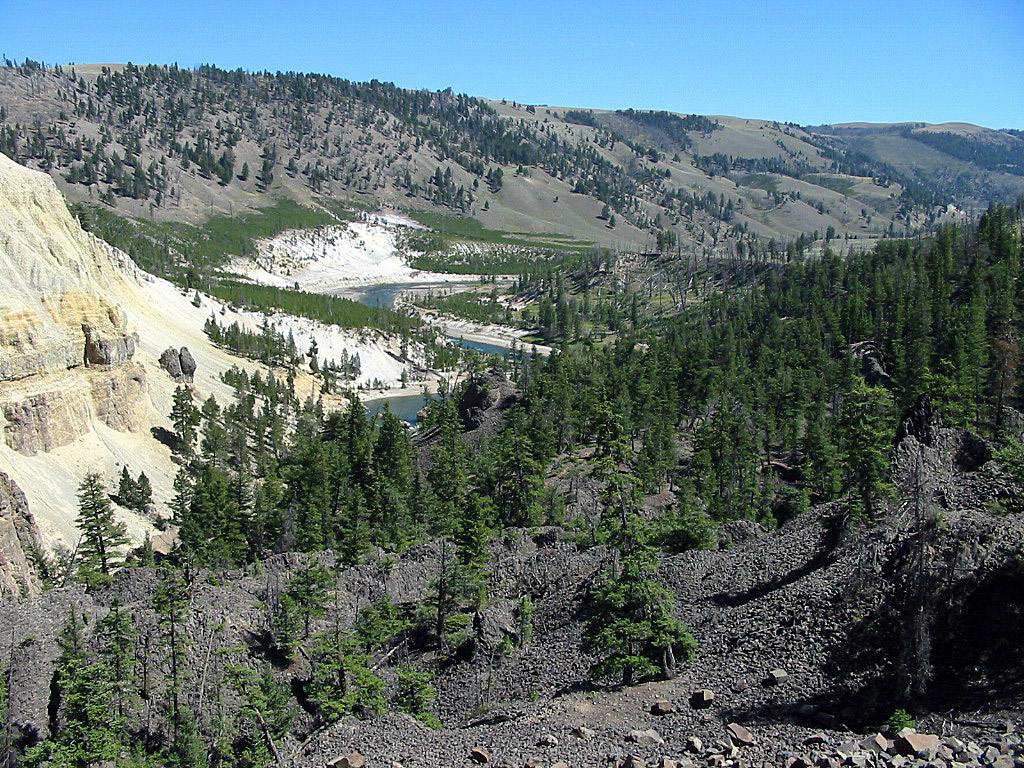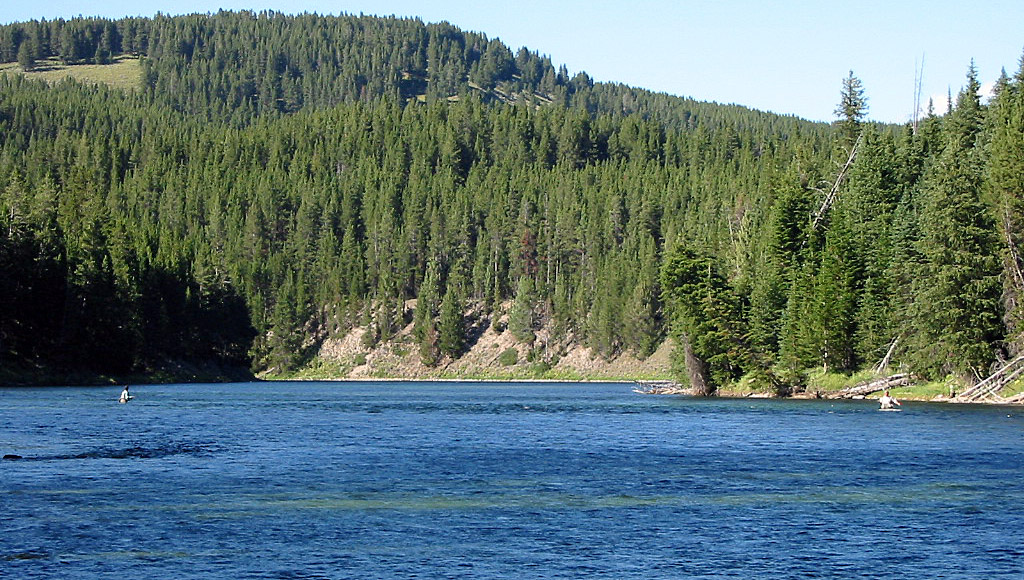

The Yellowstone River is known internationally as one of the premier trout waters in the world. Anglers who visit Yellowstone Park to fish the Yellowstone River quickly understand why. The Yellowstone River in Yellowstone National Park has prolific insect hatches, incredible terrestrial populations and wild, native fish.
The Yellowstone has every sort of habitat a fish and fly fisherman desires, from pools, runs, riffles, rapids and undercut banks. Additionally, anyone fly fishing the Yellowstone River will not be chasing hatchery born fish since all fish are native and wild to the park.
For the reasons, among many others, anglers from all over the world travel to Yellowstone National Park to fish for the Yellowstone cutthroat trout, rainbow trout, brook trout and brown trout found in the clear and cold waters of the Yellowstone River.
Moreover, the Yellowstone River in Yellowstone National Park flows through a unique and beautiful environment. The terrain along the river is remarkably varied, consisting of deep canyons, towering waterfalls, expansive grassy meadows and thick forests. Even if the fish fail to bit, there is far worse ways to spend a day than fishing in such attractive country.
Fishing Above Yellowstone Lake
The Yellowstone River begins in a very remote setting, high in the mountains of a seldom-visited area of the Bridger-Teton Wilderness Area. It flows into the park and makes its way through the remote Thorofare region. Access to any part of the Yellowstone River above Yellowstone Lake, either in the park itself or in the wilderness area, requires extensive backpacking to reach, as the river lies far from the nearest roads.
The prime draw on the Yellowstone River is the Yellowstone cutthroat trout. These fish average around 16 inches and are found from the rivers origin in the remote southeast corner of the park downstream to the Upper Falls of the Grand Canyon of the Yellowstone.
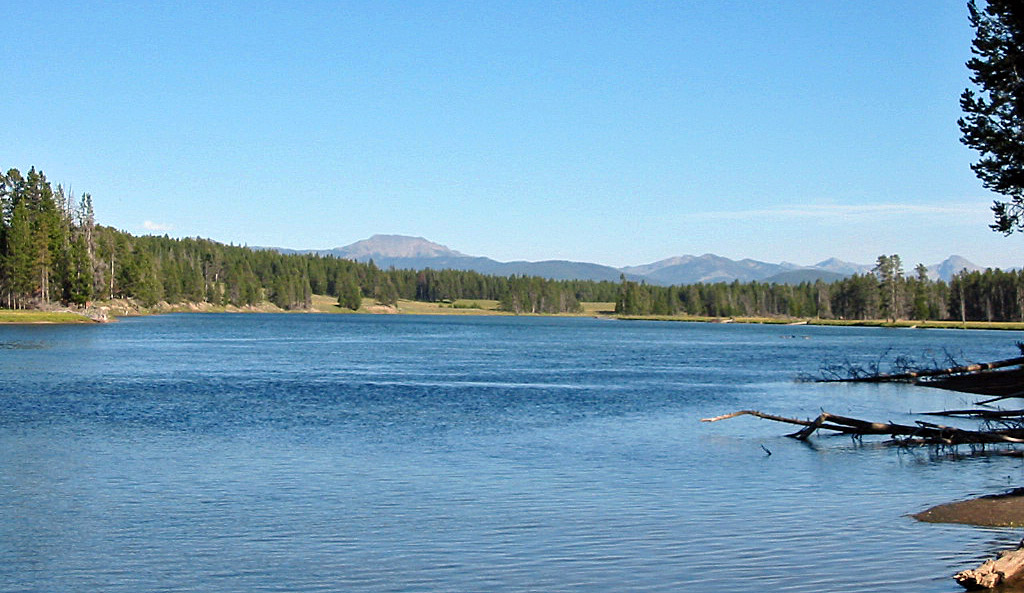
Below the falls in the Grand Canyon of the Yellowstone, the Yellowstone River holds excellent numbers of large rainbow, brook and brown trout, although an odd cutthroat trout is also found.
Because of the rivers remote setting, fishing pressure on the Yellowstone River above Yellowstone Lake is low to non-existent. The river has just such difficult and time consuming access that virtually all anglers prefer to fish downstream from Yellowstone Lake, where access is significantly easier.
That all said, for a dedicated angler who has the time to explore this remote and wild region, a fishing trip on the Yellowstone above Yellowstone Lake allows for fishing in solitude among pristine and beautiful scenery. Since fishing pressure is so low, the fish also are somewhat easier to catch, although the migratory nature of the Yellowstone cutthroat trout can make for some “hit or miss” fishing.
Fishing Downstream from Yellowstone Lake
Downstream from Yellowstone Lake, between the lake and the Upper Falls of the Yellowstone River, is the primary spot most people head to when fly fishing the river in Yellowstone National Park. This stretch of the Yellowstone River runs for thirteen miles and has very simple access as the Lake-Canyon Road closely follows the river. Ample spots exist for parking in the form of countless turnouts and several picnic areas.
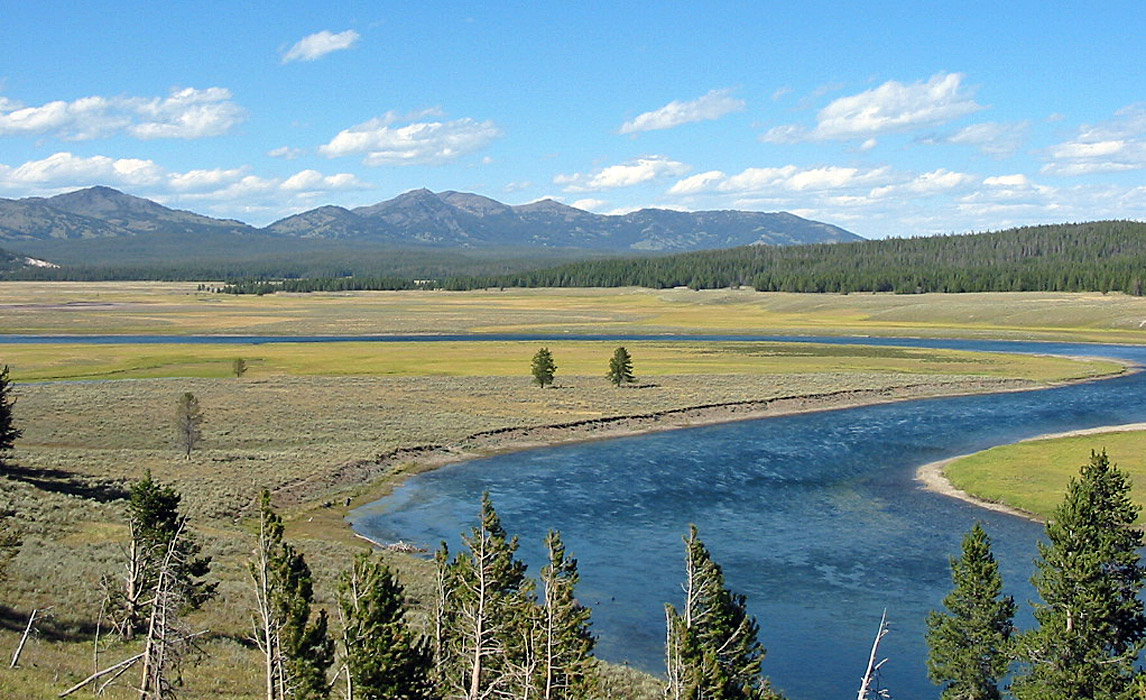
In this thirteen-mile section of the Yellowstone River, the river flows through an incredible mix of countryside. Just below Yellowstone Lake, the Yellowstone River flows through a mix of forests and meadows, and has one rapids section. Just a bit further downstream, it flows right by Sulphur Caldron, always hard to miss due to the strong sulphur smell that hangs in air. Below Sulphur Caldron, the Yellowstone emerges into the stunning Hayden Valley, a massive, grassy valley that is an excellent place to bump into a bison while fishing. In the Hayden Valley, the Yellowstone twists and turns in broad arcs across a grassy plain, making for both an incredible view and unique fishing experience.
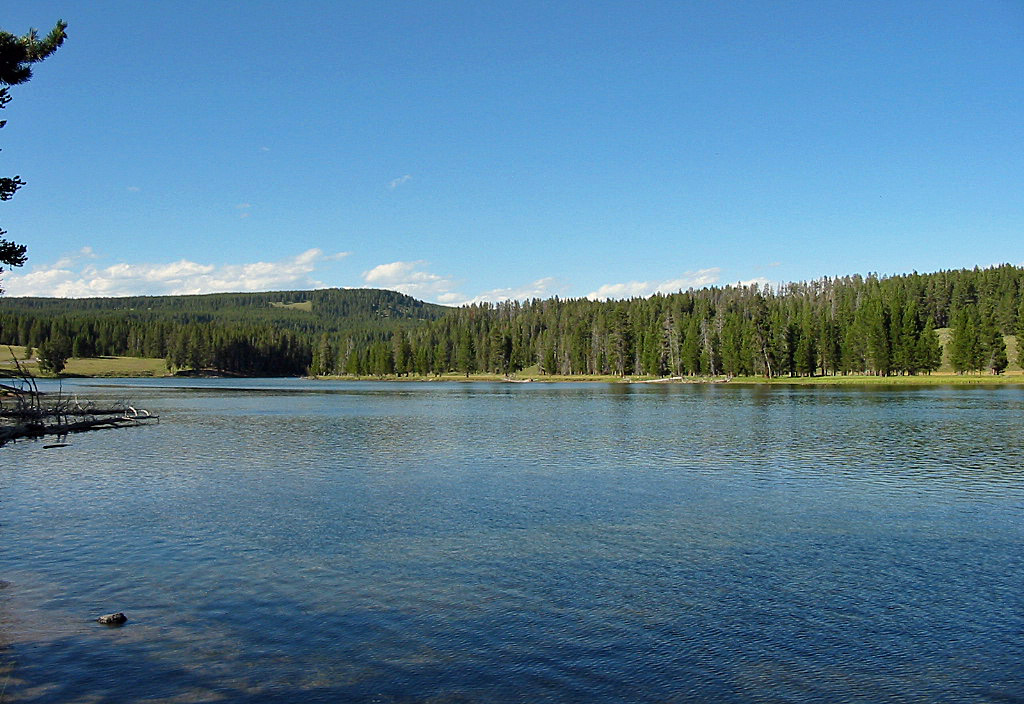
When fly fishing this thirteen-mile section of river, an angler is confronted with a dizzying array of choices to choose from. Solid hatches of mayflies, caddisflies, stoneflies, midges and salmonflies all occur on this short section of the Yellowstone River. Terrestrials are also found all along the river in this section, grasshoppers and beetles in particular. This section of the Yellowstone is a good place to match the hatch, so plan on bringing along plenty of varied fly patterns and selections. Study the river closely to determine what the fish are feeding on, although casting hopper and beetle imitations also work extremely well if frustration with matching the hatch occurs.
The Yellowstone cutthroat trout in this section receive a fair amount of fishing pressure due to its easy access and the rivers reputation for producing consistently large fish. As a result, they can be difficult to catch, particularly later in the season. Good presentations, a careful approach and light tippets should be used to increase the chances of success. Additionally, always aim for a drag free float, using shorter casts if needed to eliminate drag.
When fishing on the section of the Yellowstone River, be aware of the varied fishing regulations. Listed here are general regulations. However, be sure to check the park website listed below for complete and up to date information, as these regulations can change frequently and without notice.
General Regulations governing the Yellowstone River between Upper Falls and Yellowstone Lake:
- Season begins July 15.
- Catch and Release Fishing Only
- Closed to fishing one mile downstream of Fishing Bridge and also upstream one quarter mile
- Yellowstone River in Hayden Valley, as well as its tributaries, are closed to all fishing between Alum Creek and Sulphur Caldron
- Closed to all fishing one hundred yards upstream and downstream of Le Hardy Rapids.
- The entire west channel of the Yellowstone River near the road at Buffalo Ford.
- Any lake trout that are caught must also be killed and reported to a park ranger office.
- The Yellowstone River is also closed to all fishing in the Grand Canyon of the Yellowstone
Before venturing to Yellowstone National Park to fly fish the Yellowstone, it is highly recommended that an angler visit the parks website for the latest in regulations. The park frequently closes rivers to fishing due to high water temperatures (happens frequently on the Madison, Firehole and Gibbon Rivers in the summer) and other factors.
View current Yellowstone National Park Fishing Regulations
Below this thirteen-mile stretch of water, the Yellowstone River goes over two spectacular waterfalls (Upper Falls and Lower Falls) and then heads into a deep canyon, called the Grand Canyon of the Yellowstone River. Awesome views of this section of the Yellowstone River can be obtained from one of the many scenic observation points located near Canyon Village.
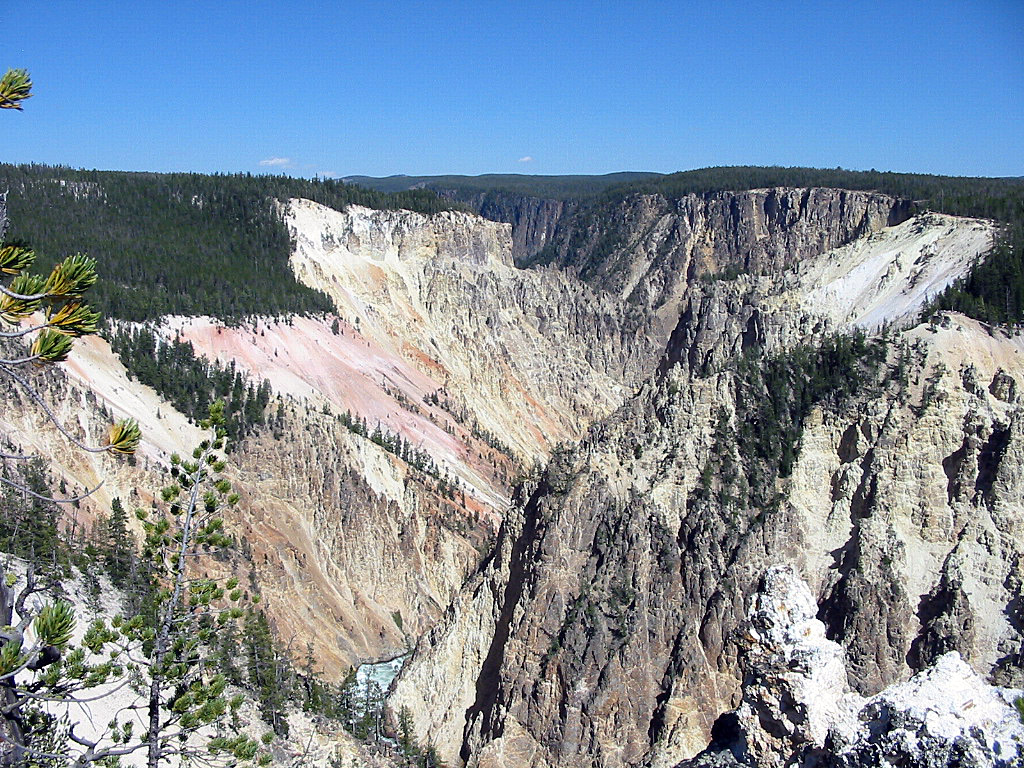
The first real chance to fish the Yellowstone River below the Grand Canyon of the Yellowstone occurs at the highway bridge near Tower. Here some good trails head down to the river and follow the river up and downstream, allowing for decent access. The primary fish found in this stretch will be rainbow trout, brook trout and an occasional brown trout.
Once the Yellowstone River emerges from the Grand Canyon of the Yellowstone River, it continues flowing through big mountains and periodic canyons. The river then flows beneath a highway bridge and enters another remote and big canyon—Black Canyon. Access is extremely difficult on this section and few people ever venture out to fish this part of the Yellowstone River. Besides its remoteness, rattlesnakes, bears and other natural dangers await any anglers heading into Black Canyon. The river itself is a roiling river full of fast rapids, drops and constant whitewater.
Overall, the Yellowstone River in Yellowstone Park offers incredible fishing opportunities for anglers who seek wild native Yellowstone cutthroat trout in a beautiful setting. Anglers venturing to Yellowstone National Park can either choose to fish where access is easy and the fishing good or can trek into the beautiful and remote areas of the Yellowstone headwaters where pressure is nil and solitude is literally guaranteed. Regardless of where a person decides to choose to fish the Yellowstone River, the scenery, wildlife, the uniqueness of Yellowstone Park and quality of fishing will produce a memorable fly fishing experience.
Note, the Yellowstone leaves Yellowstone Park and flows into Montana. I’ve profiled a separate section of this site…the Yellowstone River in Montana.