
Yellowstone National Park is internationally known as offering superb fly fishing, in addition to the wonderful scenery, wildlife and thermal features found in the park. Yellowstone National Park lies primarily in Wyoming, but parts of the park are also in Montana and Idaho, with the town of West Yellowstone being a popular starting point for people fishing. The total size of Yellowstone National Park is 2.2 million acres.
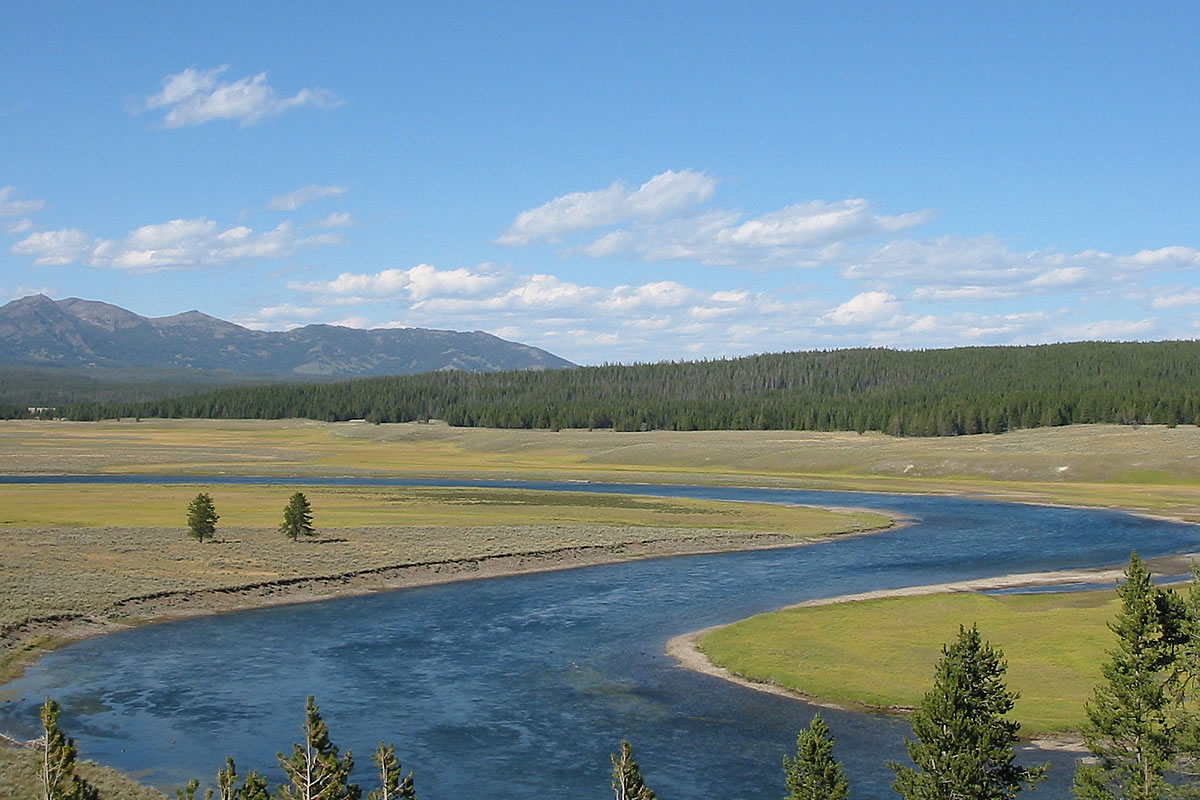
Yellowstone National Park has beautiful rivers that have a tremendous amount of variety, offering a fly fisherman a wide array of choices in where and how to fish. Float fishing on most of the rivers in Yellowstone National Park is not allowed. As a result, wade anglers will find in Yellowstone National Park a wonderful place to fish as you don’t have to worry about being run over by boats. Additionally, as roads often roughly parallel many of the best fishing rivers in Yellowstone, access is relatively easy (although short hikes will often be required).
As everyone knows, Yellowstone National Park was heavily hit by wildfires during 1988, which had the driest summer on record for the park. The fires that year burned nearly 800,000 acres, almost 1/3 of the total acreage of the park. The intensity of the fires ranged from very intense to low brush and grass fires.
While the fires burnt all parts of the park during 1988, the most heavily effected areas were located in the Southwest and Northwest portions of the park (especially on the western side of Yellowstone Lake, around Old Faithful and West Yellowstone). In these areas, most of the canopy was heavily burned, resulting in dead timber. While not the most appealing to the eye, the fires did great good as they burnt out dead timber and got rid of dead and dying timber affected by a beetle infestation. And as time passes, the scar damage fades as a new forest canopy starts to grow.
Fires also hit the Northeast and Southeast sections of Yellowstone National Park, but not too the degree found elsewhere. A visitor to these sections of the park will finds pockets of wildfire surrounded by endless stands of forest and open plain.
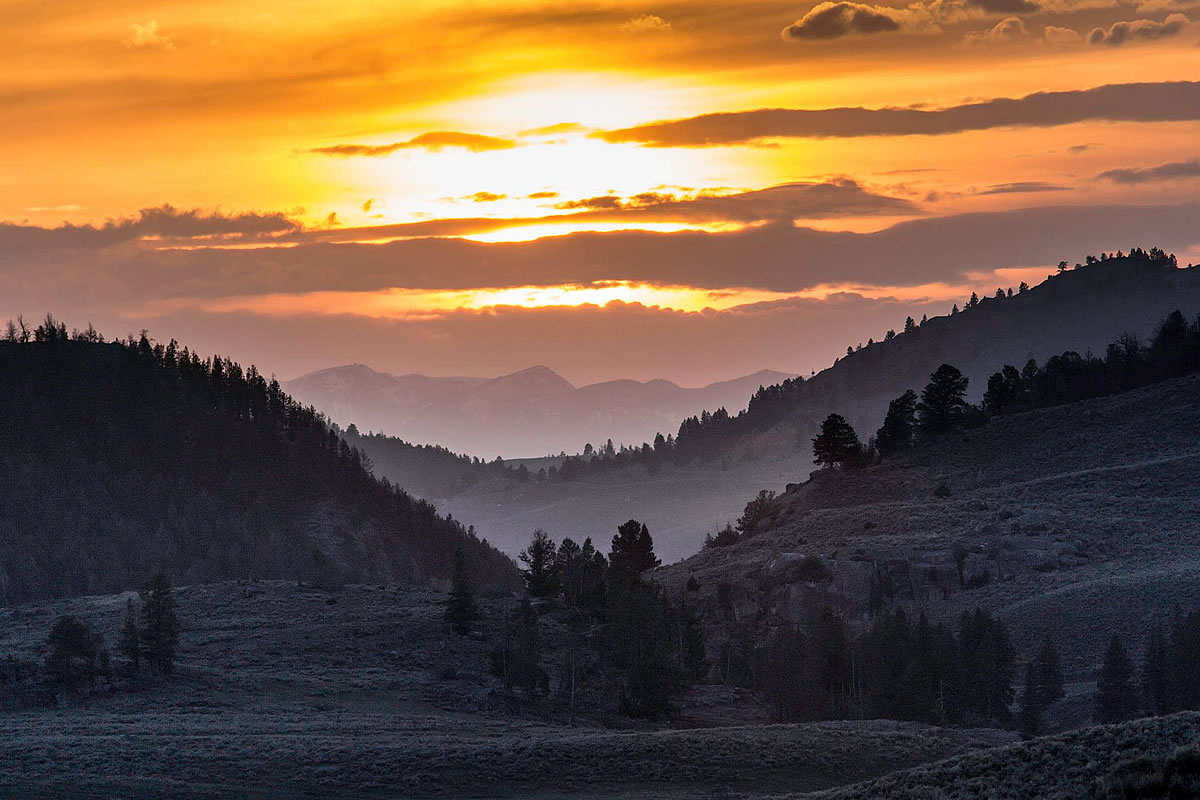
Despite the fires, Yellowstone National Park is a beautiful place with enormous diversity in terrain, wildlife, scenery and geology. Anytime spent in Yellowstone National Park will be a rewarding one – even if the fish aren’t biting.
The wildlife in Yellowstone National Park is something that can only be experienced. Large herds of Bison graze seemingly everywhere in the Northeast section of the park, aimlessly grazing in the Lamar and Hayden Valleys along the various rivers. Huge herds of Elk will also be found throughout the park, particularly in the various plateaus that are found in the western half of the park. Grizzly Bears will also be found throughout the park. Wolves will also occasionally be seen – the Lamar Valley is a particularly good place for sighting wolves.
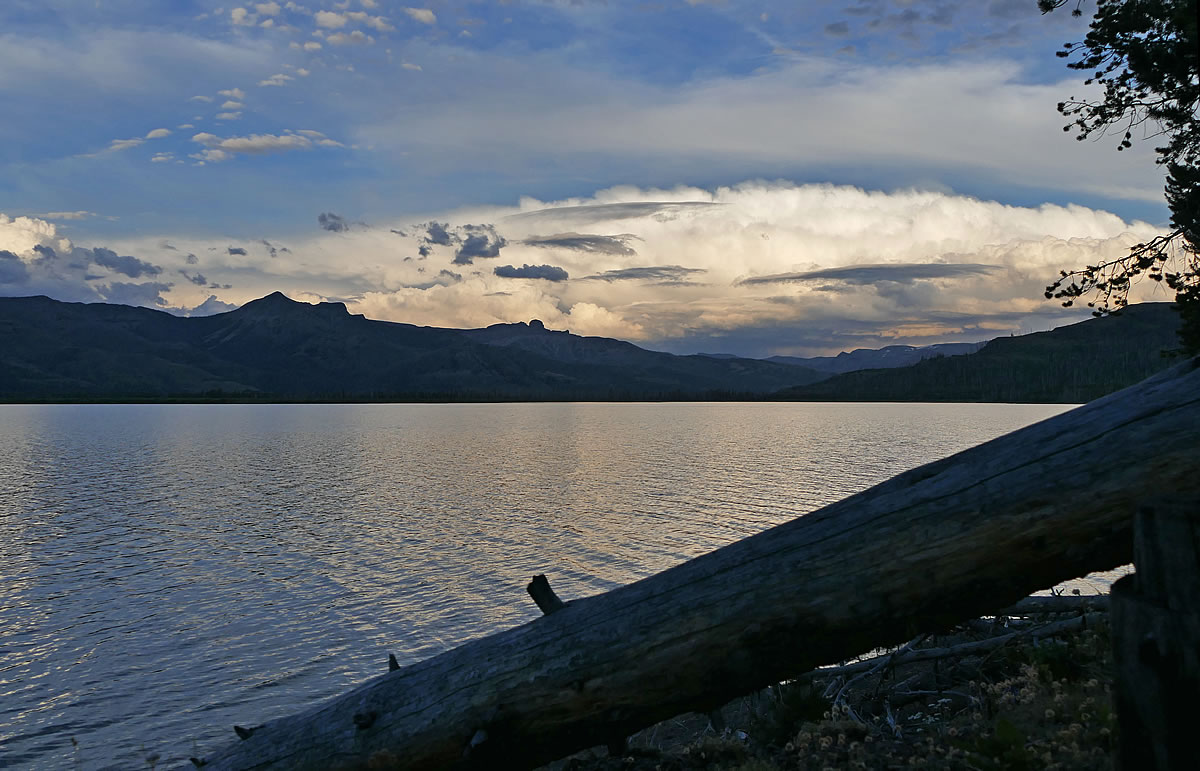
The Southeast corner of Yellowstone National Park consists of beautiful Yellowstone Lake, many smaller lakes and tall, rugged mountains.
The Southwest corner of the park consists of extensive forests, mountains, high plateaus and very intensive thermal features.
The Northwest corner of the park (around West Yellowstone and Mammoth Hot Springs) has extreme thermal activity, lots of tall mountains, open grasslands as well as large stands of forest.
The Northeast corner of the park, the most scenic in my opinion, consists of very broad open, meadows that are flanked by towering mountains. The Grand Canyon of the Yellowstone is also located in this section and provides an incredible site.
Yellowstone National Park | Fishing & Other Information
Yellowstone Rivers
- Gallatin River
- Gardiner River
- Gibbon River
- Lamar River
- Madison River
- Soda Butte Creek
- Yellowstone River
More Information about Yellowstone